Keywords Organic Traffic 2026: The End of Volume & Rise of Intent
📑 On this page
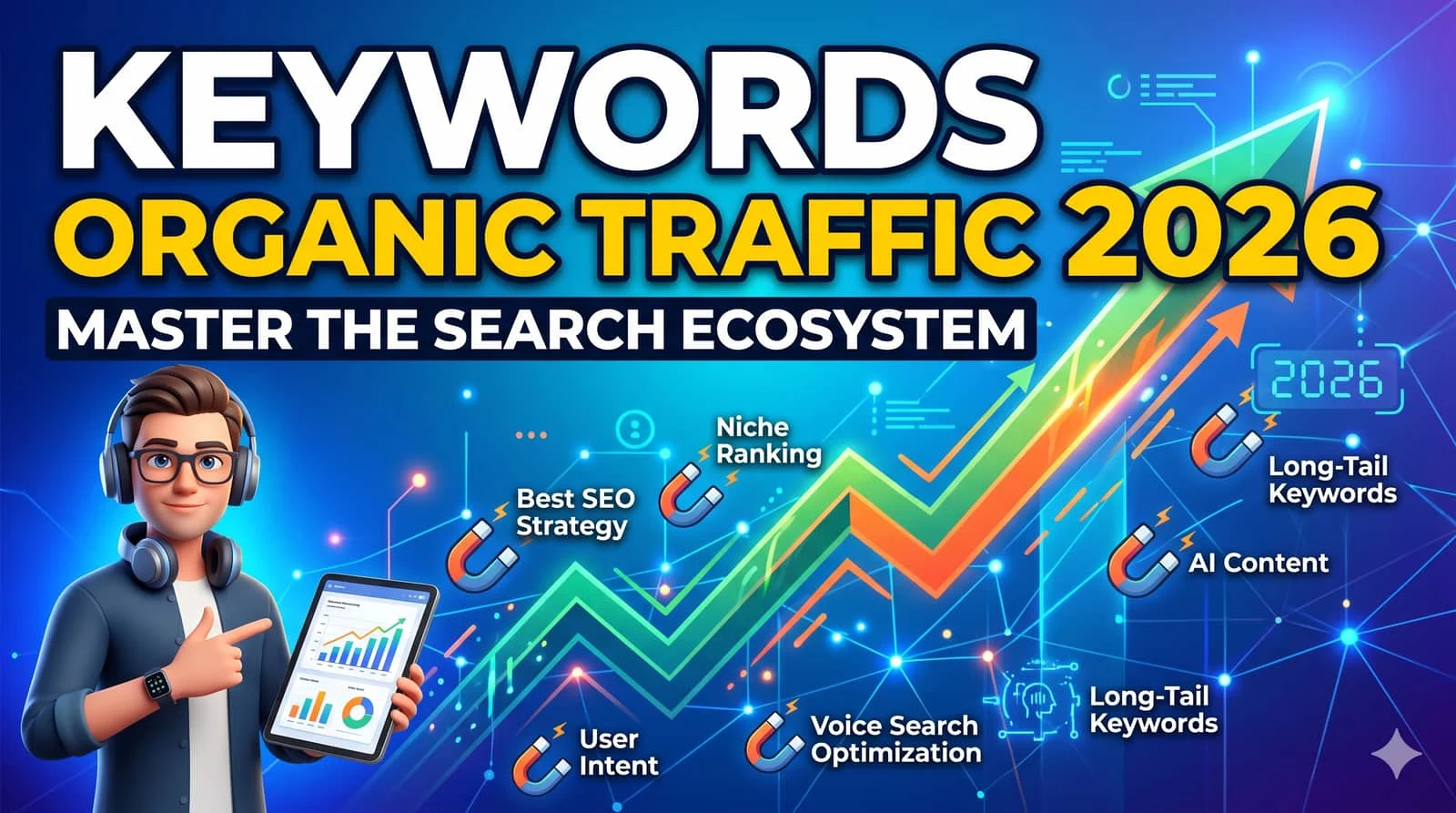
Targeting "keywords organic traffic 2026" isn’t about chasing high-volume terms anymore. In 2026, Google prioritizes genuine search intent, engagement depth, and semantic richness. If you still stuff keywords, you lose. This guide shows how to win organic traffic using modern keyword strategies that align with EEAT, AI overviews, and user-first ranking signals.
1. Why keyword rules changed for organic traffic in 2026
Gone are the days of exact-match domains or keyword density. In 2026, Google’s AI (Search Generative Experience + RankBrain 4.0) understands synonyms, topic relationships, and user satisfaction signals. Keywords organic traffic 2026 success means mapping content to micro-intents.
- Search intent is king: Informational, navigational, commercial, transactional — each requires different keyword formats.
- Zero-click searches increased to 58%: You need featured snippets, 'People also ask', and direct answers.
- Topical authority > single page ranking: Groups of content around core themes outperform isolated articles.
Example: Instead of targeting “best CRM for freelancers” alone, smart sites target “CRM for self-employed 2026”, “freelance customer management tools”, “affordable CRM comparison” — covering the entire journey.
2. Intent-first keyword research: the 2026 framework
Your 2026 keyword workflow should start with SERP analysis. For any seed keyword, look at what Google displays: AI overviews, video carousels, or traditional 10 blue links. Then break down by intent type.
- Core pillar keywords (high relevance, moderate volume) — 10–20 per topic.
- Question-based long-tail (“how to increase organic traffic 2026”, “why keywords matter 2026”) — ideal for voice search and featured snippets.
- Comparative + modifier keywords (“best vs”, “alternatives”, “review 2026”) — capture commercial intent.
Use tools like SMARTCHAINE Keyword Explorer to see intent clusters and group keywords into topic islands. This reduces cannibalization and builds a clean site architecture.
3. Topic clusters: the only way to scale organic traffic in 2026
Publishing isolated posts is inefficient. Instead, build a pillar page around “keywords organic traffic 2026” and link to supporting cluster content: “long-tail keyword examples”, “keyword cannibalization fix”, “SERP volatility 2026”. This signals deep expertise to Google.
Semantic keywords naturally strengthen your main topic. For instance, related terms like “search volume 2026”, “keyword difficulty score”, “click-through rate optimization” should appear contextually. Avoid over-optimization; write for humans and use schema to reinforce meaning.
4. Tools you can use inside SMARTCHAINE dashboard 🔧
SMARTCHAINE combines rank tracking, keyword suggestions, and on-page optimization in one modern dashboard. Here’s how to power your keywords organic traffic 2026 workflow:
- Keyword Magic: Real-time search intent classification, trend forecasting, and difficulty scoring.
- Organic Traffic Insights: Connect GSC + GA4 to see exactly which keywords drive conversions, not just clicks.
- Topic Cluster Builder: Automatically groups your existing pages and suggests missing content pieces.
- AI Content Optimizer: Check keyword relevance, internal linking opportunities, and readability for 2026 standards.
Looking for a broader strategy? Read our guide: SEO metrics that matter in 2026 (includes dashboard templates).
5. Real example: How a SaaS startup grew organic traffic 189% using 2026 keyword rules
Take “Flowtica” (fictional but realistic). They had a blog on productivity but zero traffic. After switching to SMARTCHAINE’s intent-first workflow: they mapped 42 keywords around “remote work automation 2026”, built 5 cluster articles, and optimized existing posts semantically. Within 4 months, organic sessions grew from 720 to 12,500/month, with featured snippets on 9 queries.
The key lesson: Keywords organic traffic 2026 success comes from consistent topic refresh, internal linking, and tracking search intent shifts.
- Search intent and topical depth > high search volume.
- Use question-based keywords for voice and snippet positions.
- Build topic clusters; interlink pillar pages and supporting articles.
- Regularly audit “orphan keywords” and update old content.
- Leverage SMARTCHAINE’s rank tracking to identify opportunities before competitors.
Frequently Asked Questions: Keywords organic traffic 2026
Yes, but only as a secondary filter. Priority goes to intent match + SERP features + click potential. A keyword with 200 searches/month but high commercial value often beats a 5k volume term with low conversion.
Quarterly refreshes are essential due to AI overview updates and seasonal shifts. However, high-traffic pages should be reviewed every 6–8 weeks.
For low-difficulty long-tail terms, yes. But pillar pages benefit from internal links from clusters. Build topical authority first, then natural backlinks follow.
Absolutely. The SMARTCHAINE dashboard includes semantic clustering and intent grouping, helping you deploy keywords organic traffic 2026 campaigns faster.
🚀 Start ranking for the right keywords
SMARTCHAINE gives you live keyword tracking, intent scores, and content recommendations. Join 12k+ SEOs who increased organic traffic by 142% on average.
Get Started — Free Trial →📌 More resources: All SEO guides | Rank tracking 2026 deep dive